Restoration 2026 information
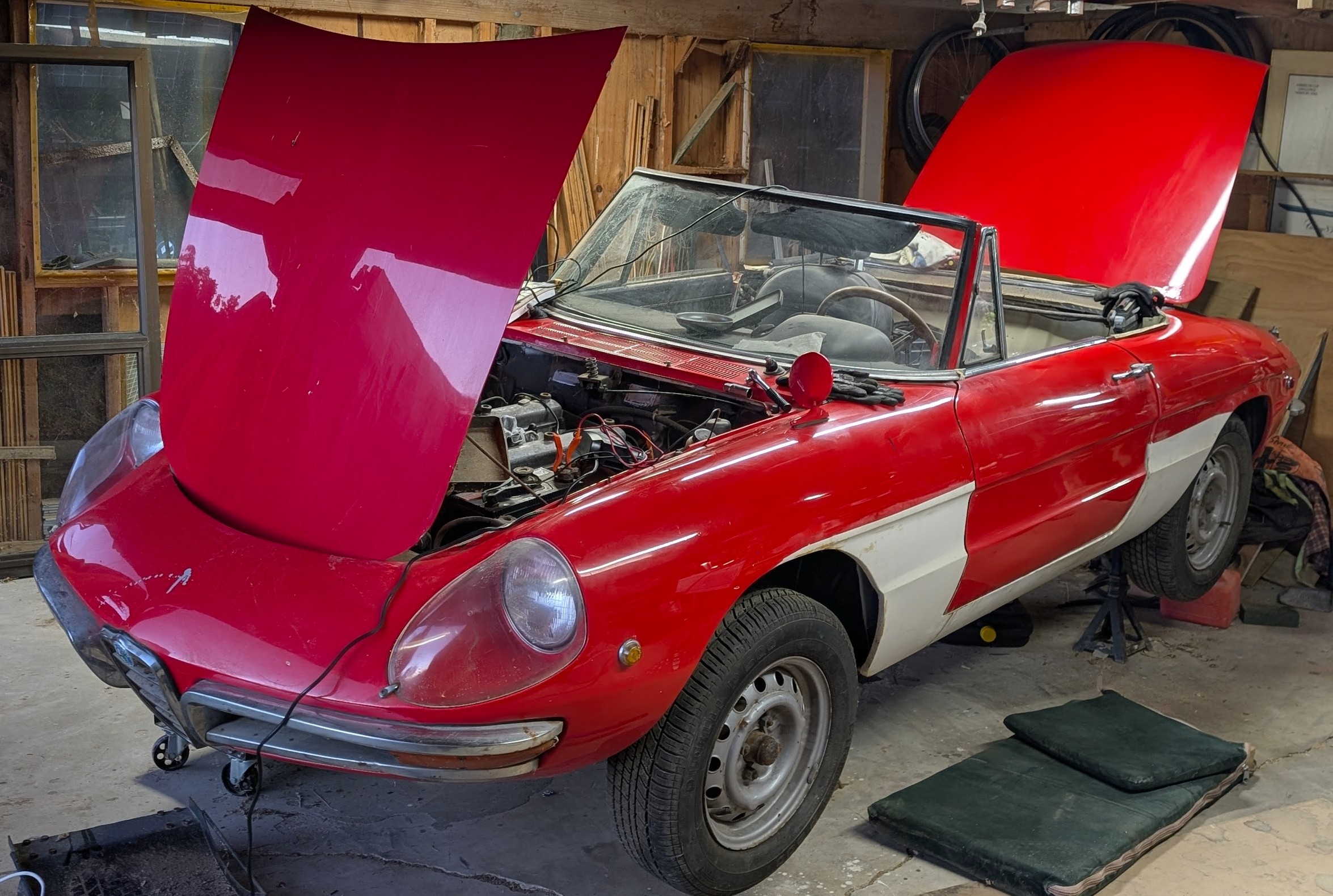
1969 Sold new to GB, Framingham MA USA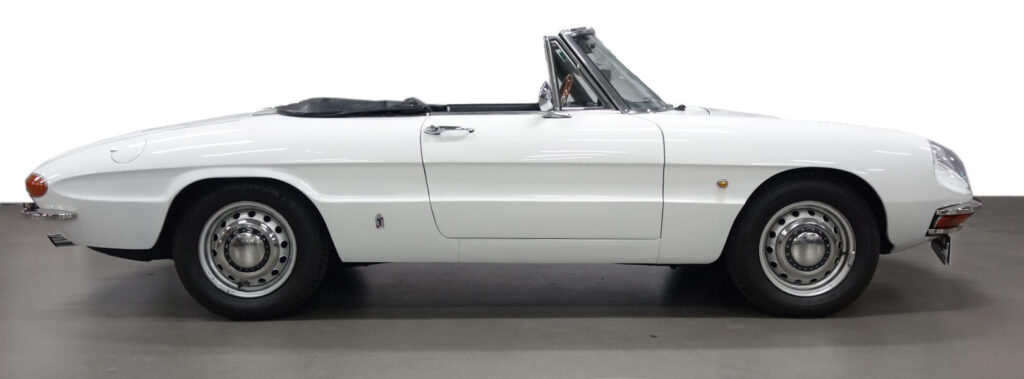
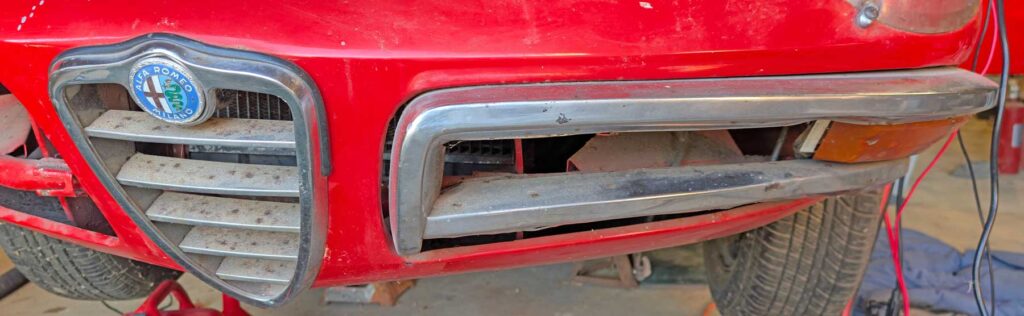
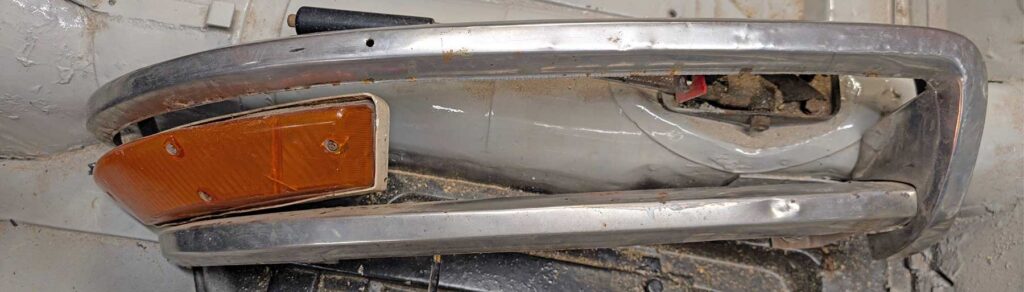
1980 Rear-ended at 30 mph, front & rear shunt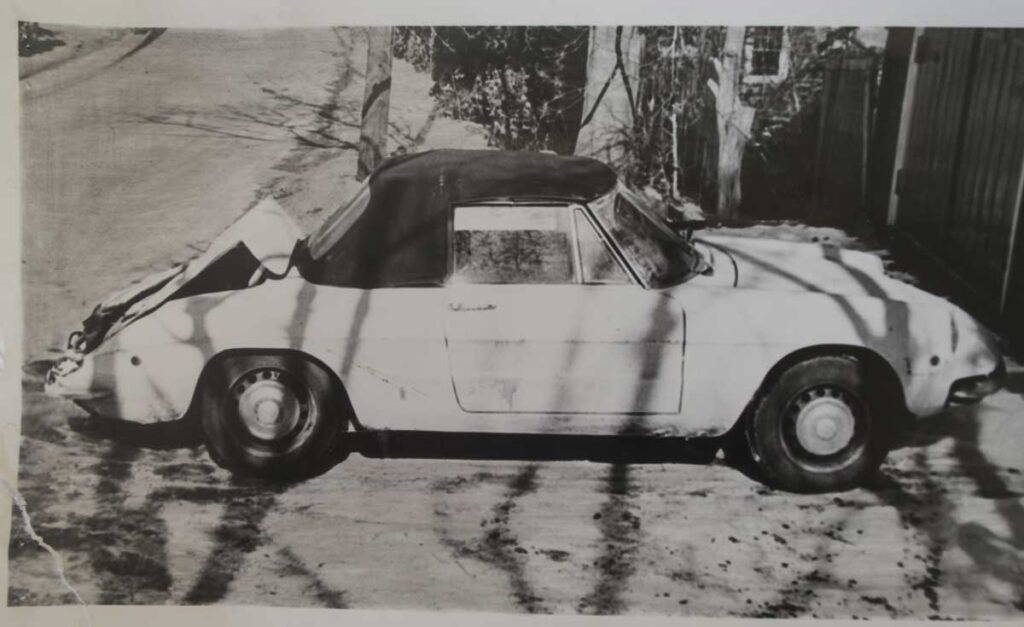
1981 Rebuilt by CB Pres. New England Alfa club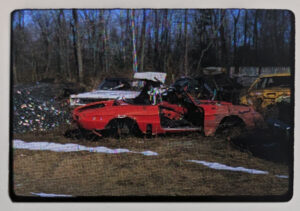
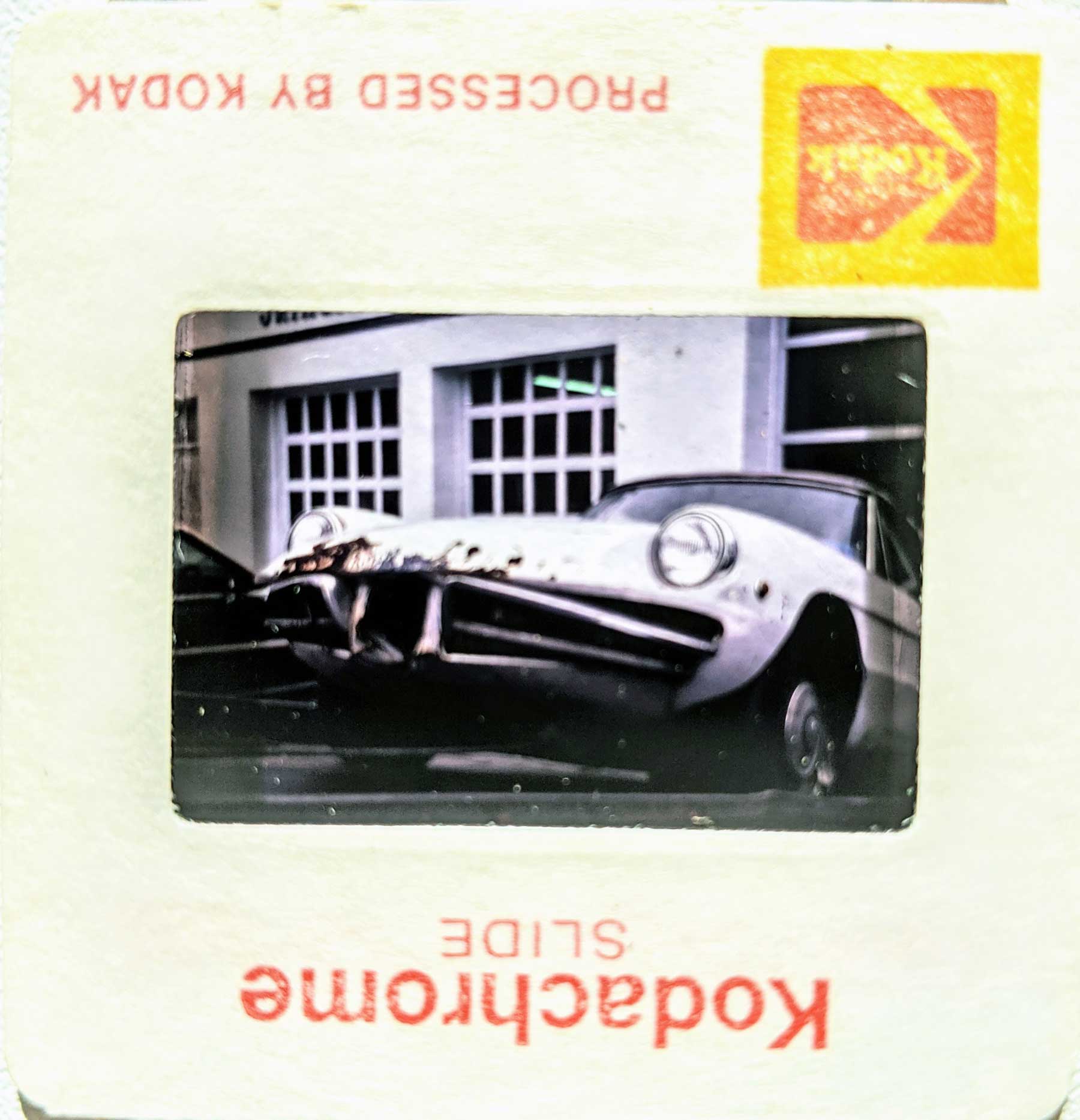
1985 CB died, sold to DH 3rd owner 59,403 mi.
1988 SB 4th owner, 70,171 mi.
My ownership
1990 Purchased by me 75,900 miles RI plates
1995 Ingram-rebuilt Spica with 1/4 race cams
1995 Hydroblast repainted in classic Alfa red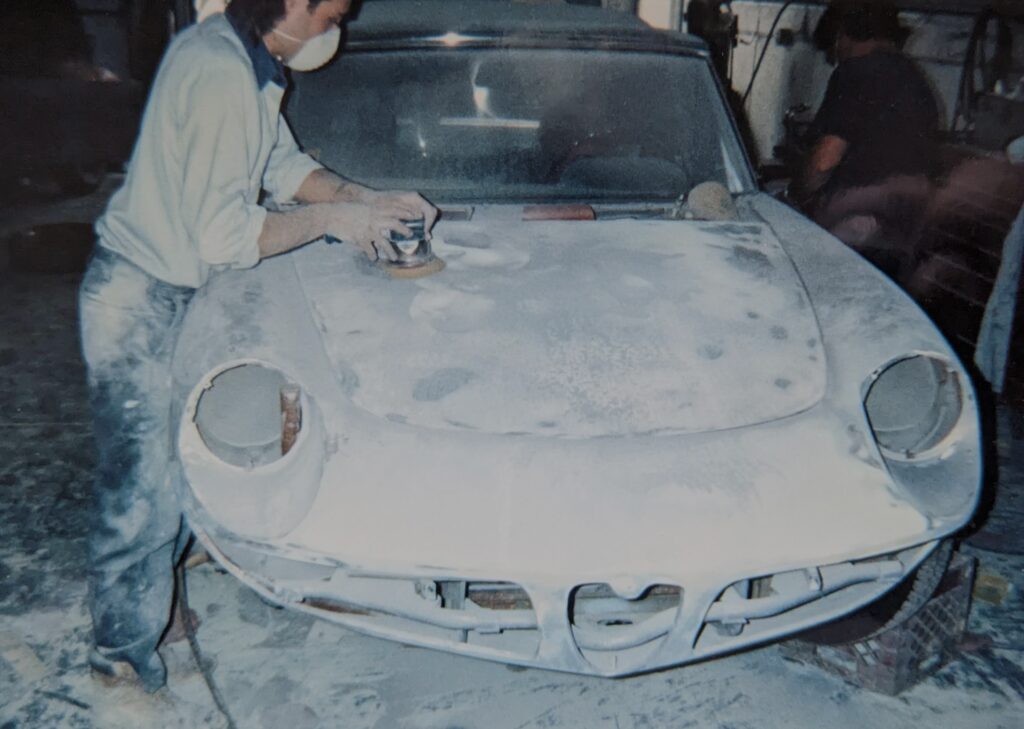
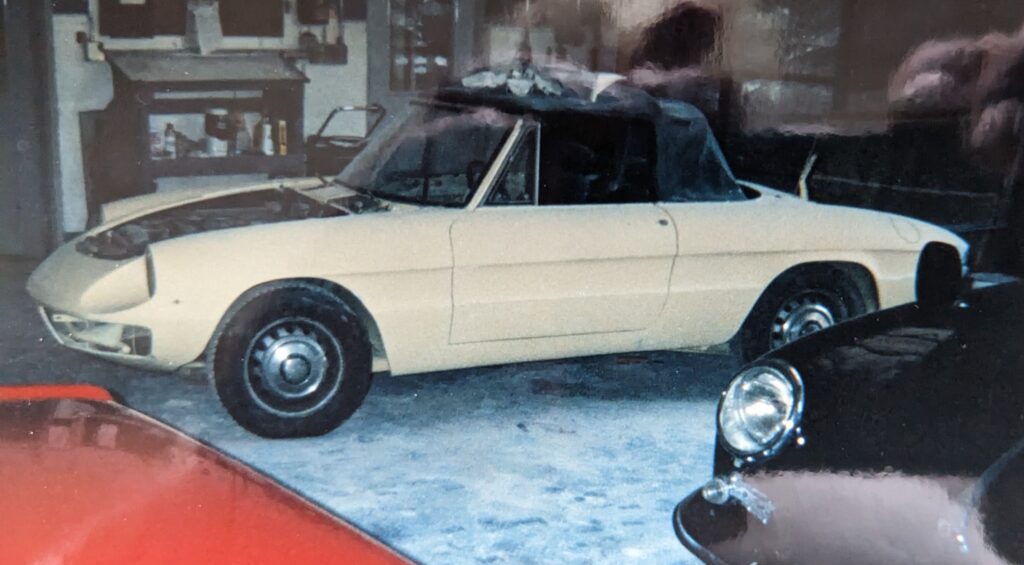
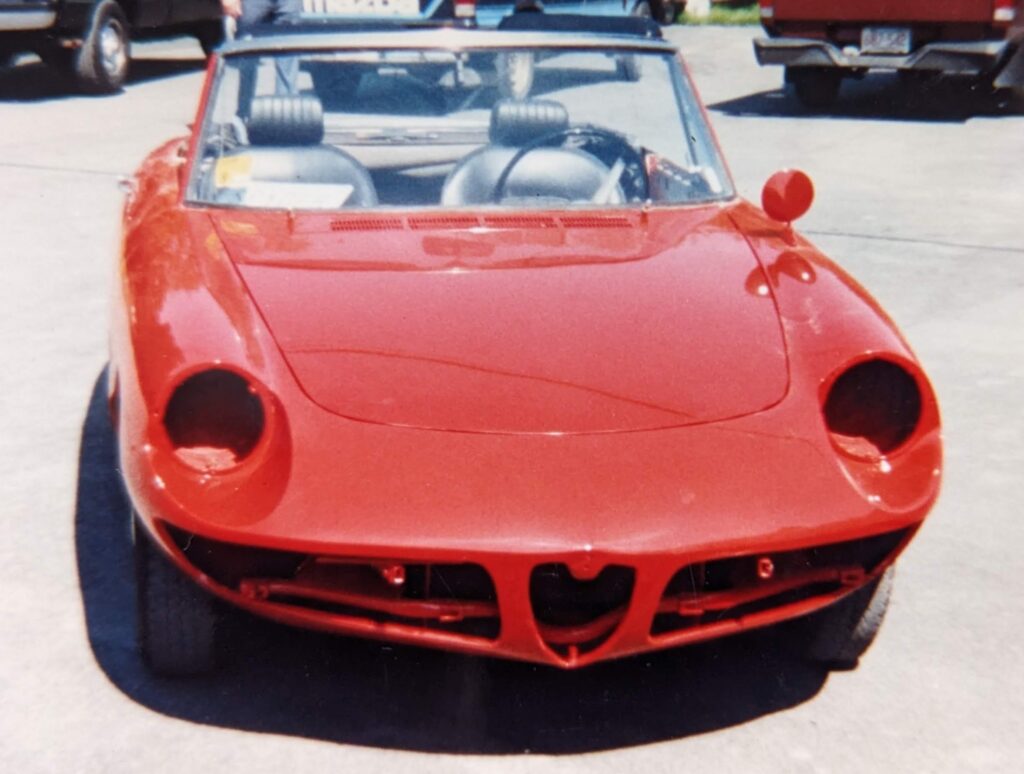
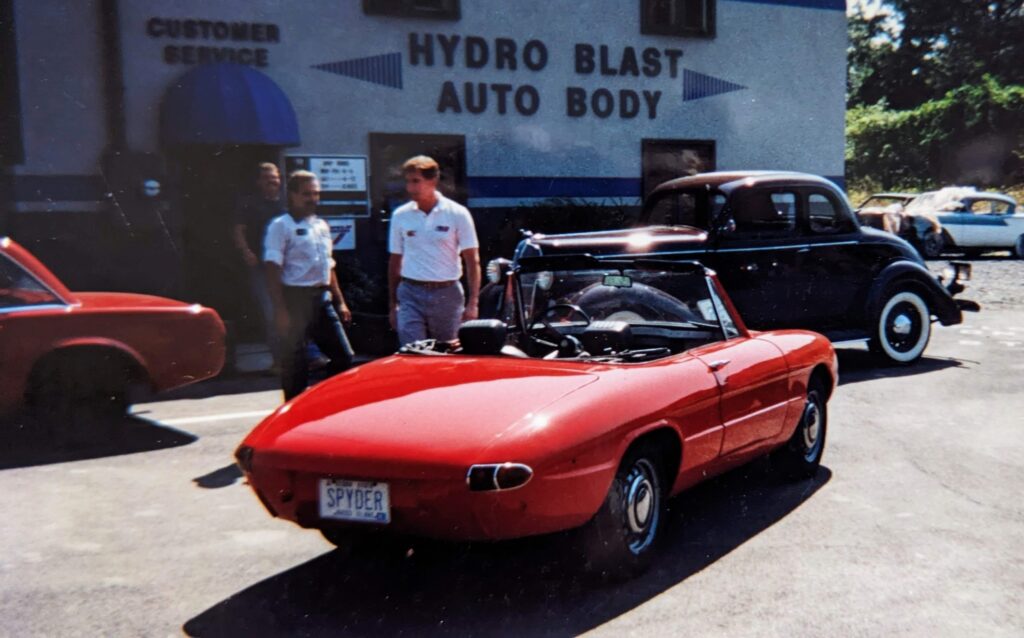
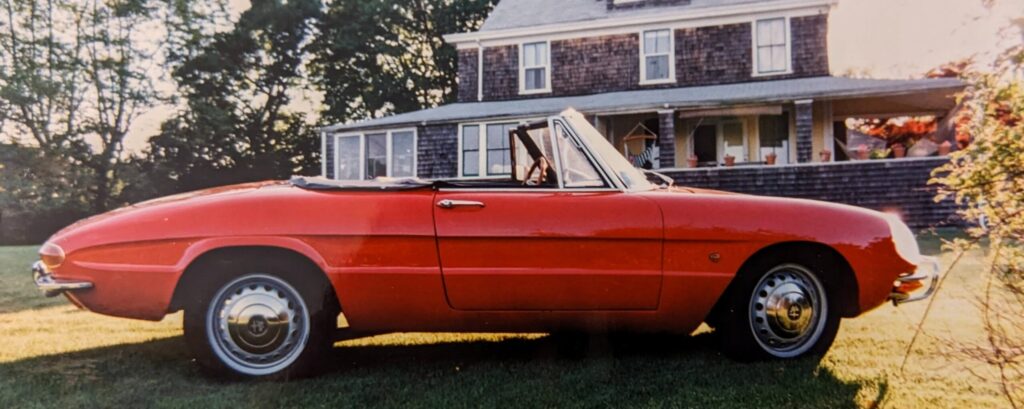
1995 New brakes, tires, all the bits that wear out
1997 Moved to New Zealand – container leaked
1998 Began a complete body restoration
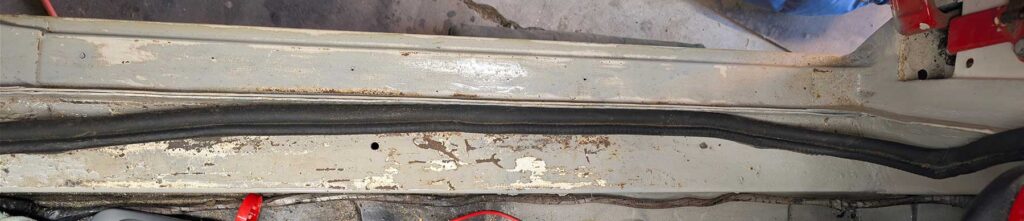
1998 Floor replaced with original pressing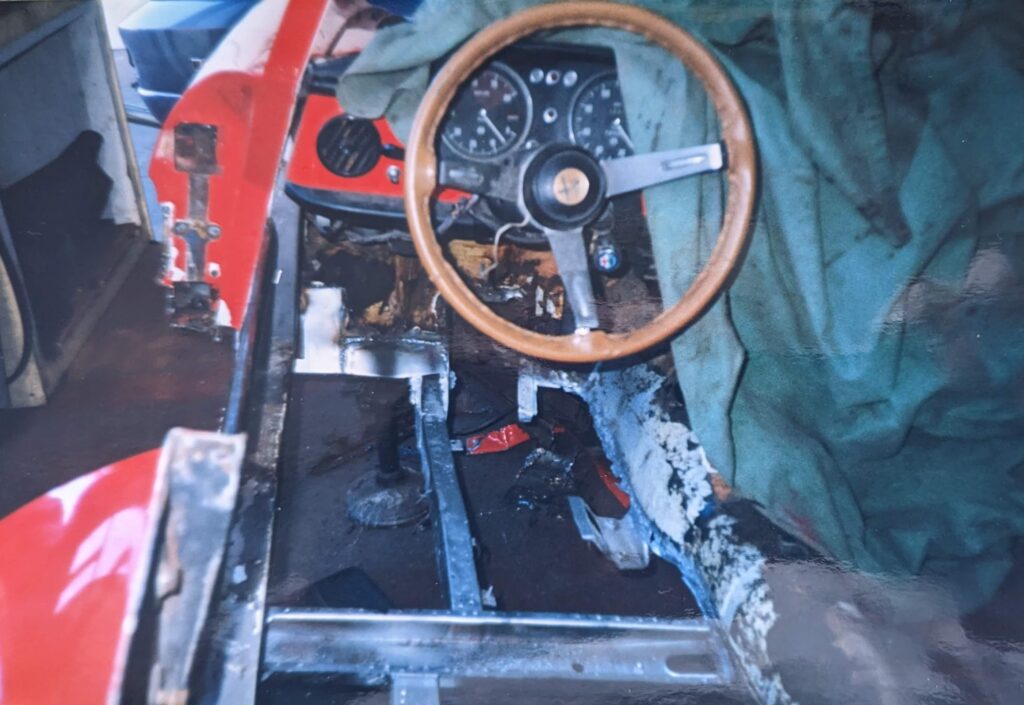
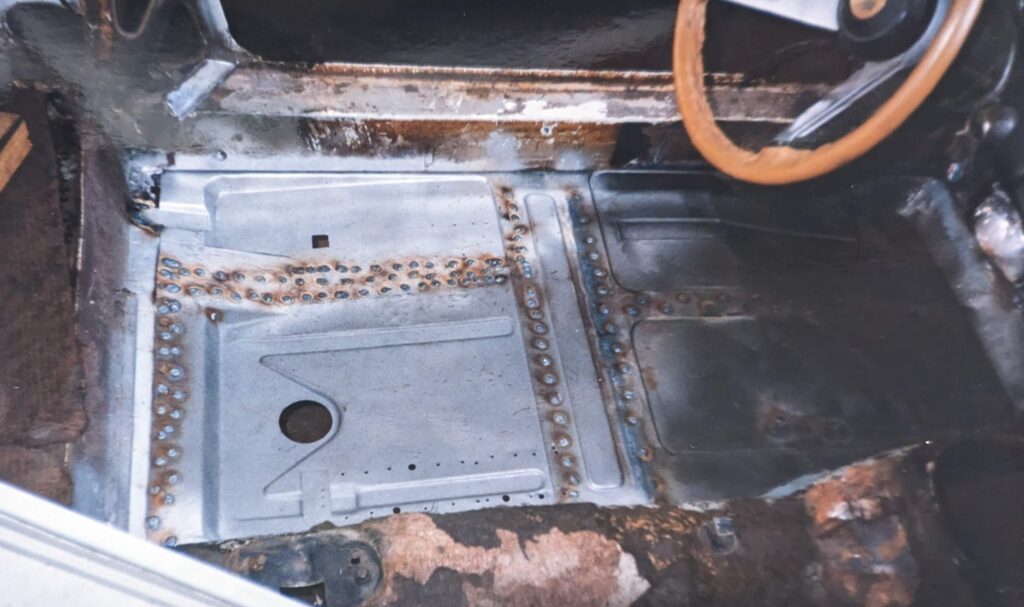
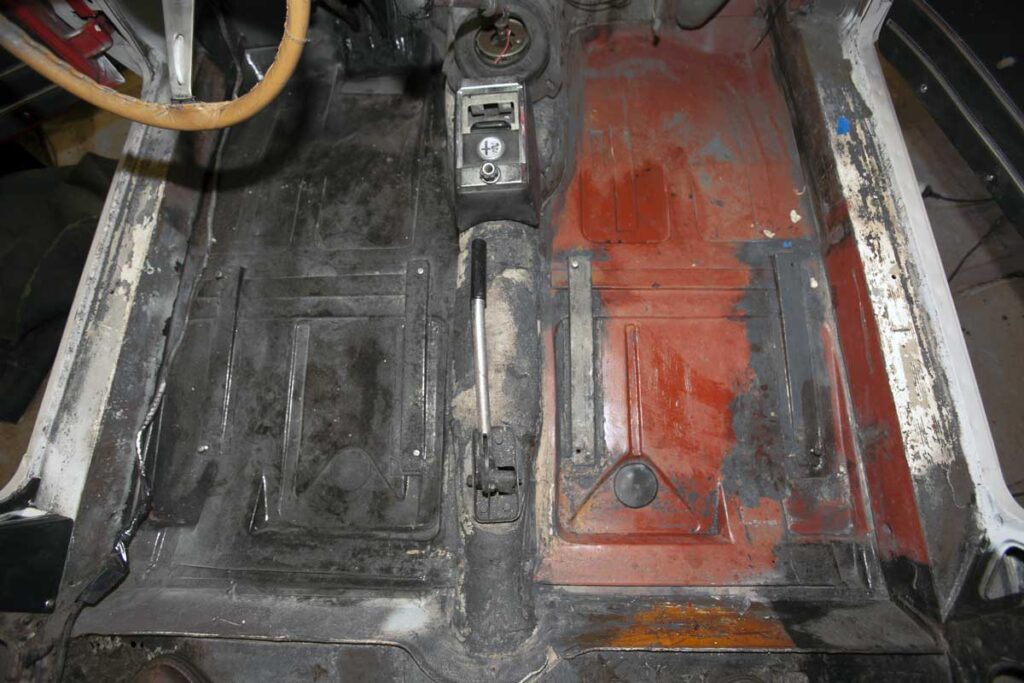
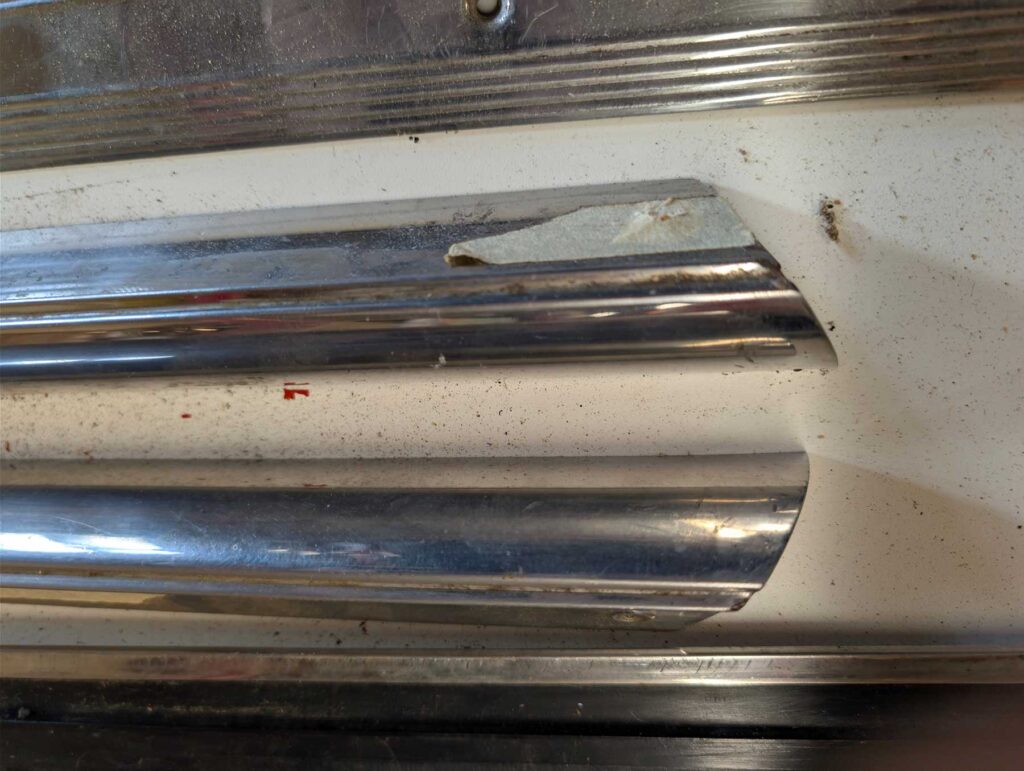
1998 Fenders and rocker panels replaced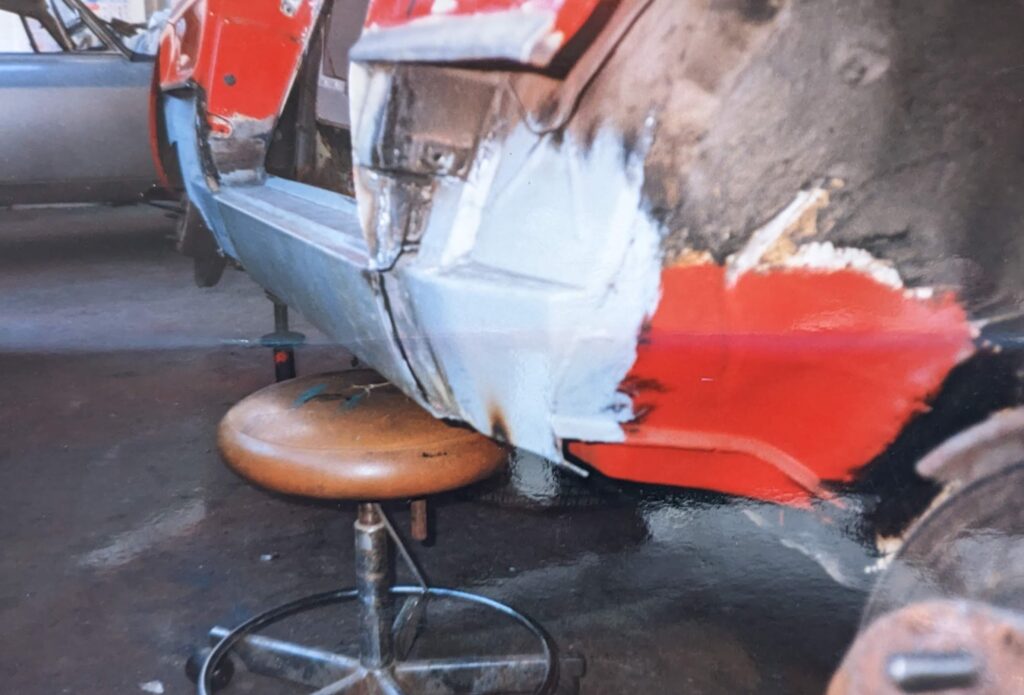
1998 All rust removed, begin reassembly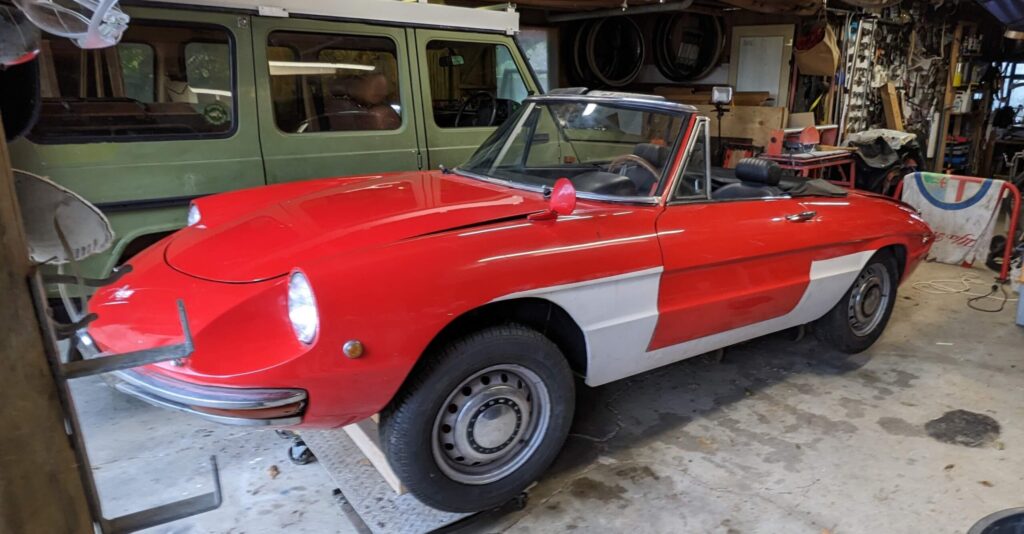
1999 Workshop became sloppy, towed it home
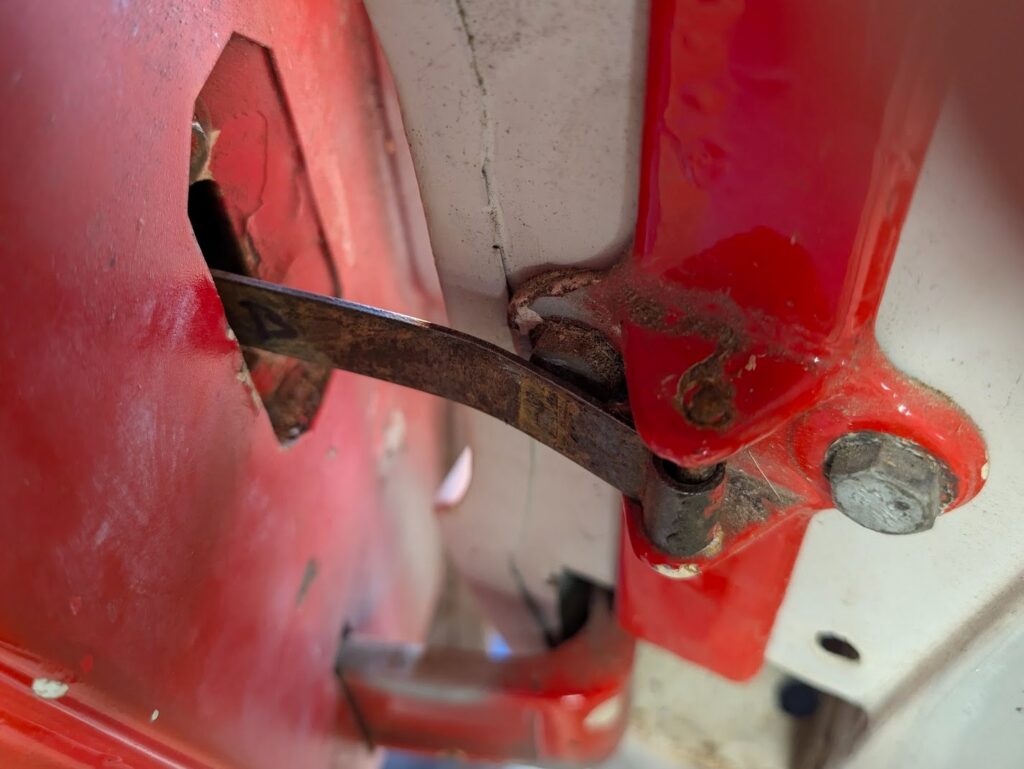
It seems when they were installing the floor, they decided it was easier to cut the wiring loom rather than remove it. They had the car for several years, so they could not say it was due to lack of time.
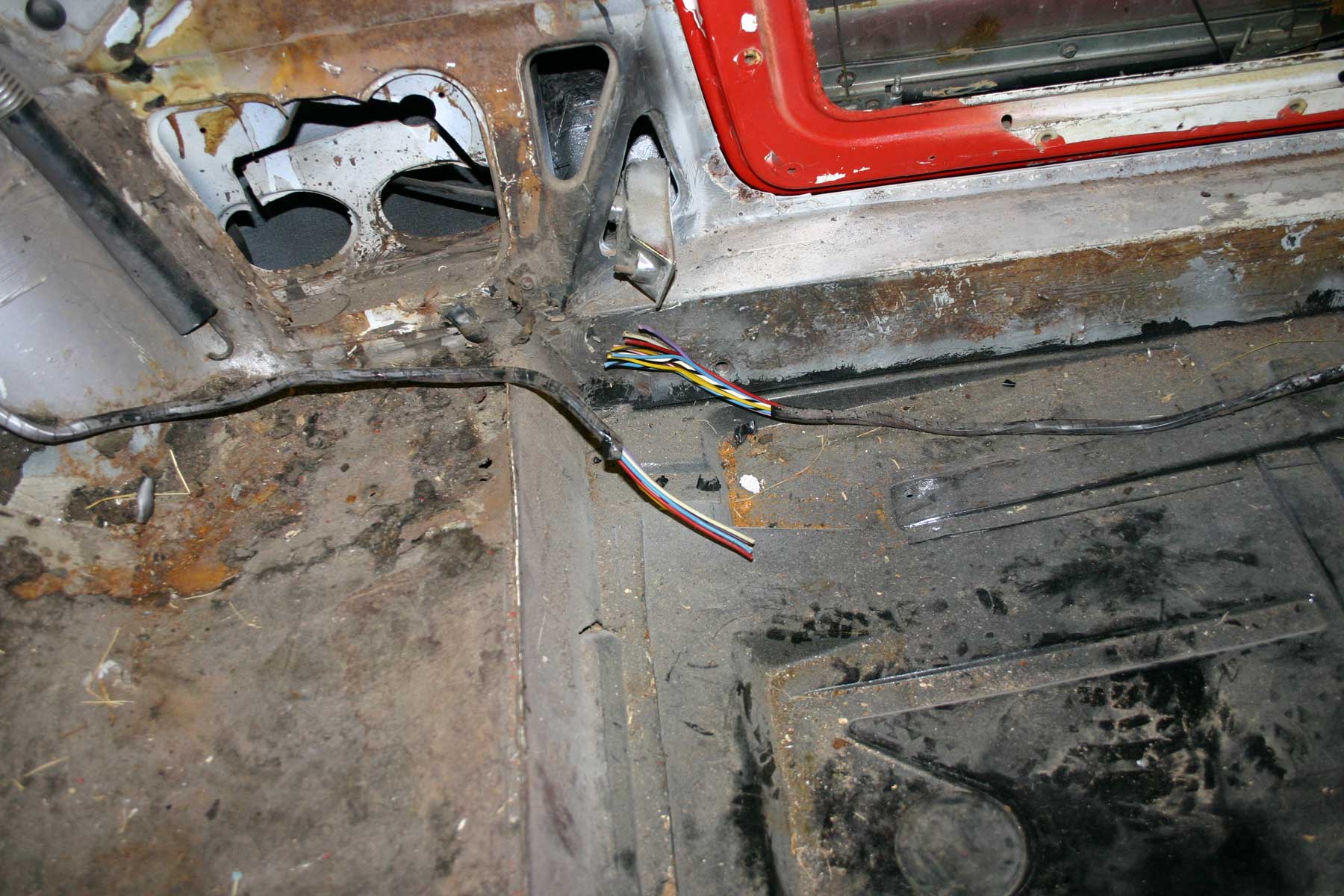
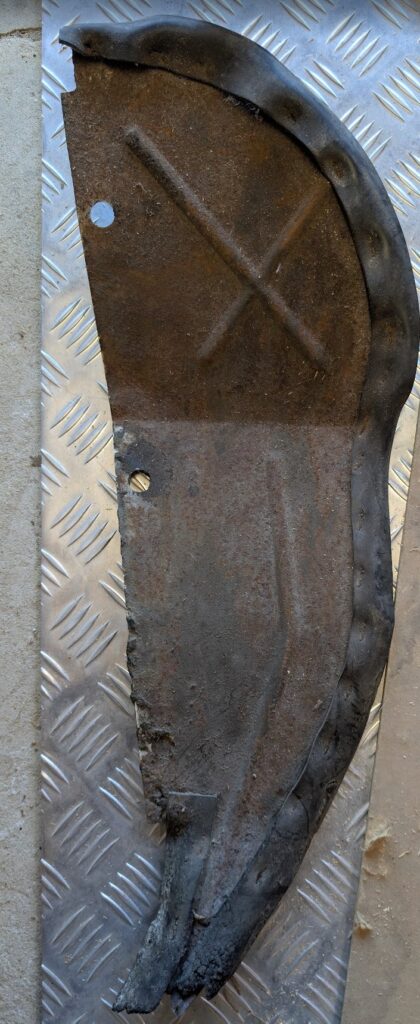
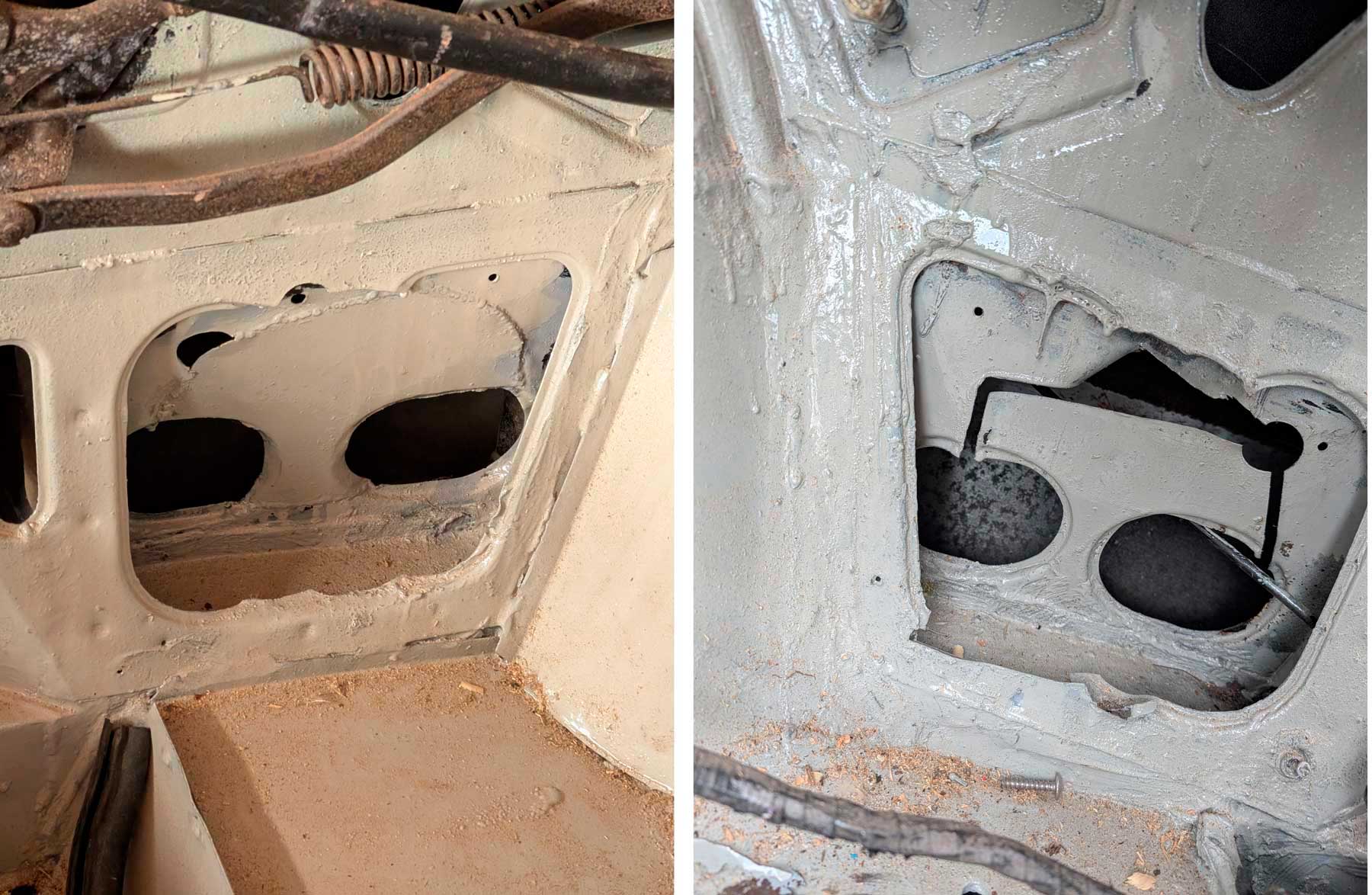
Also, this photo shows where the metal was cut out at some time, ostensibly for rear speakers, but strangly an additional cut in the metal behind it. This will need to be repaired.
The body was perfect when it arrived at the workshop. The workshop did quality work, but their apprentice was sloppy. The car had small dents from tools dropped, spilled paint and missing parts. 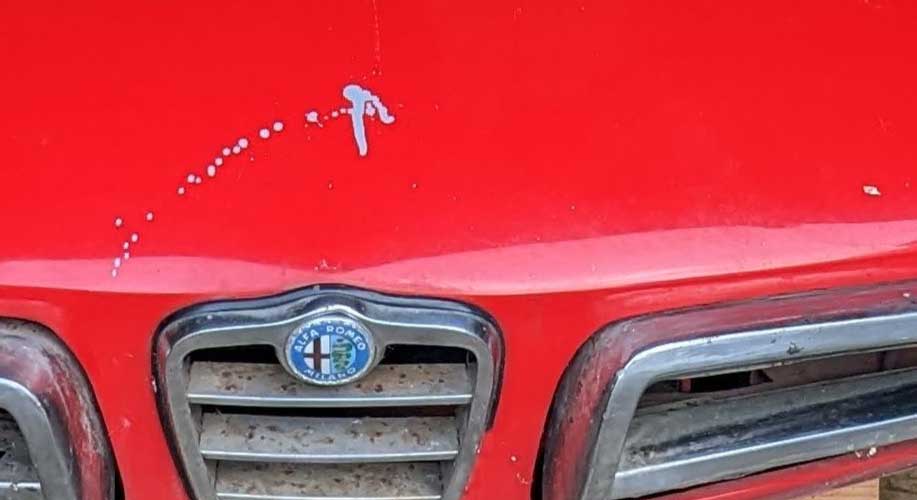 I gave up and towed it home.
Then the first-registation rules changed in New Zealand, requiring any evidence of repair must be certified, which adds $15,000 to the cost and includes invasive damage to restoration. So I parked it in the too-hard bay and moved on to other projects.
When I finally turned back to it, sitting for 25 years, the brake fluid turned to jelly. I had to replace the master and brake cylinders as well as the lines, and the same for the clutch. Was not able to bleed correctly (it’s a complicated bleed), so it then sat for more years.
2026 update: It seems that there is another way to bleed the brakes and clutch – let the car sit for three more years. They work perfectly. Seems eventually air rises and bleeds the system.
The engine had not been started since 1997, when we began recommissioning in 2026. First was to replace the fuel pump (leaking), and all the perished fuel lines. The fuel tank was completely empty, no ancient fuel and it looked surprisingly clean. Replaced all the fuel filters. When all the leaks were sorted, we removed the spark plugs and put in Marvel Mystery Oil to sit for a week.
We first hand turned and it turned freely. We then cranked with the plugs out, and except for it sounding like an old starter motor, it turned OK.
Replacing the plugs (plug #2 may have been cross-threaded, because it was more difficult, but careful reinstallation sorted it) and turned it over. It would fire with quick start, but not run. It seems that getting fuel flowing is not that easy. So we pushed it out of the garage, rope towed it to the road and popped the clutch in 4th gear. It fired up, and with a cloud of what probably was exhaust dust (new exhaust system installed in 2000), it roared up the road, ran fine and idled normally. After that, it key starts fine. Brakes work, clutch works (although throwout bearing sounds a bit noisy, although this could be because the shifter covers are not on).
The exhaust system was leaking because the bolts had never been tightened. Bought all new proper bolts, brass nuts and dome washers and new manifold to exhaust gaskets. Much quieter although the exhaust touches the body at the clutch box and is bent where it touches. This will restrict flow, so needs to be sorted. Not sure when that happened.
Next, find a pattern for the cut-out behind the doors where someone removed steel to install speakers. This was a common thing for that era as stereo speakers became fashionable
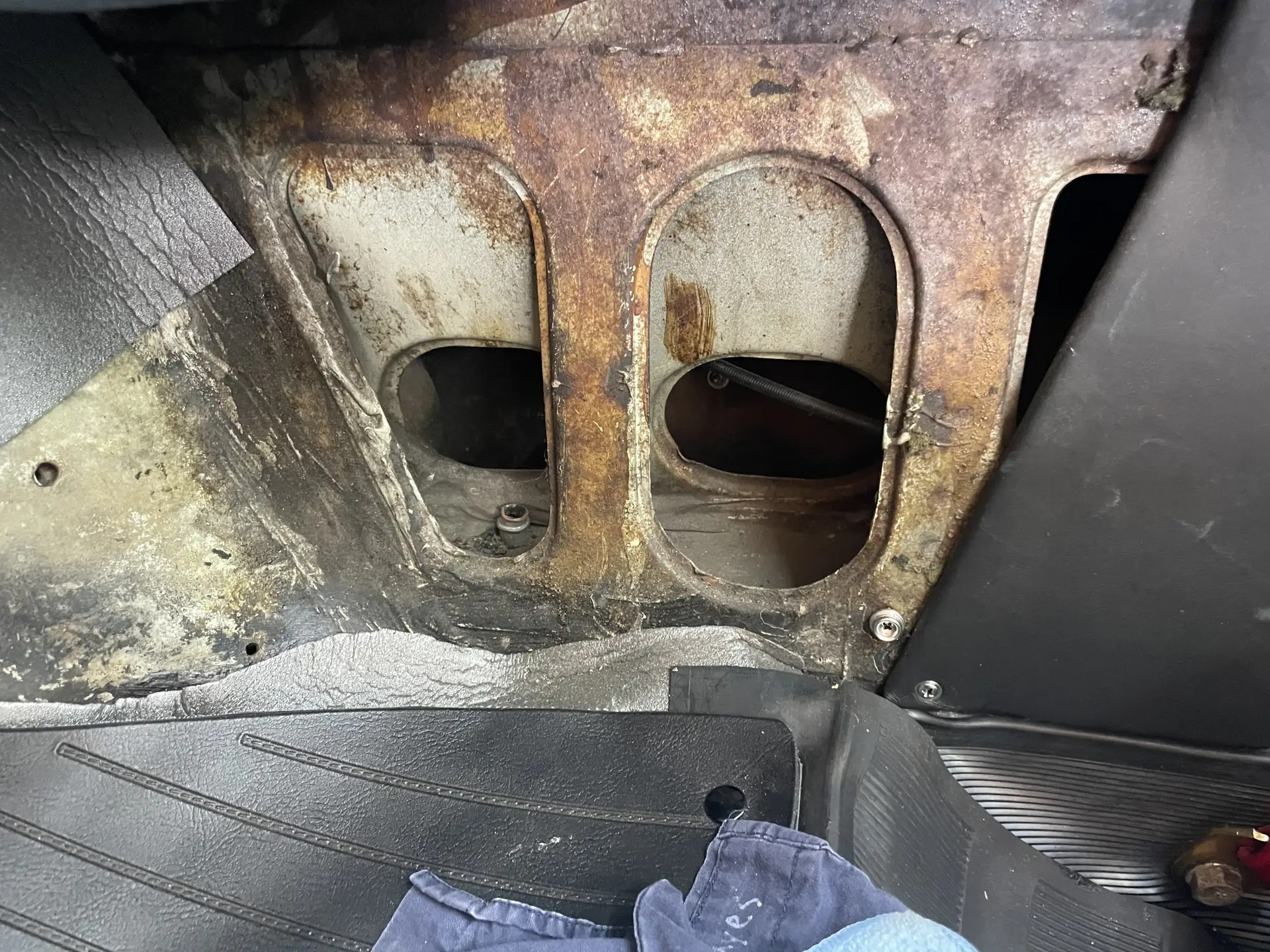
This is what it should look like:
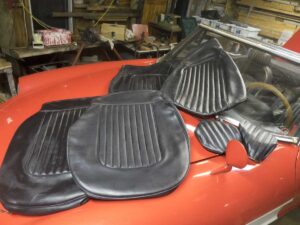
The workshop removed the windshield that needs to be reinstalled. The new convertible roof and seat upholstery are still in the box, needing to be installed. The body repair was left in primer, and while it was garaged the whole time, it was not climate controlled, so may need some attention when painting.
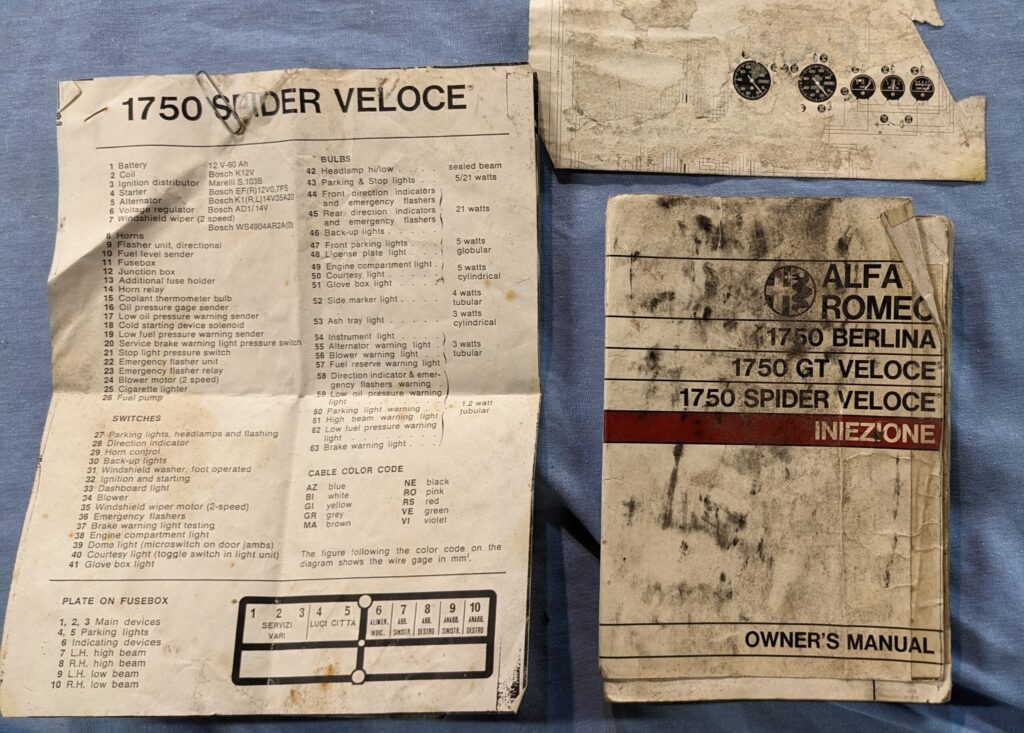
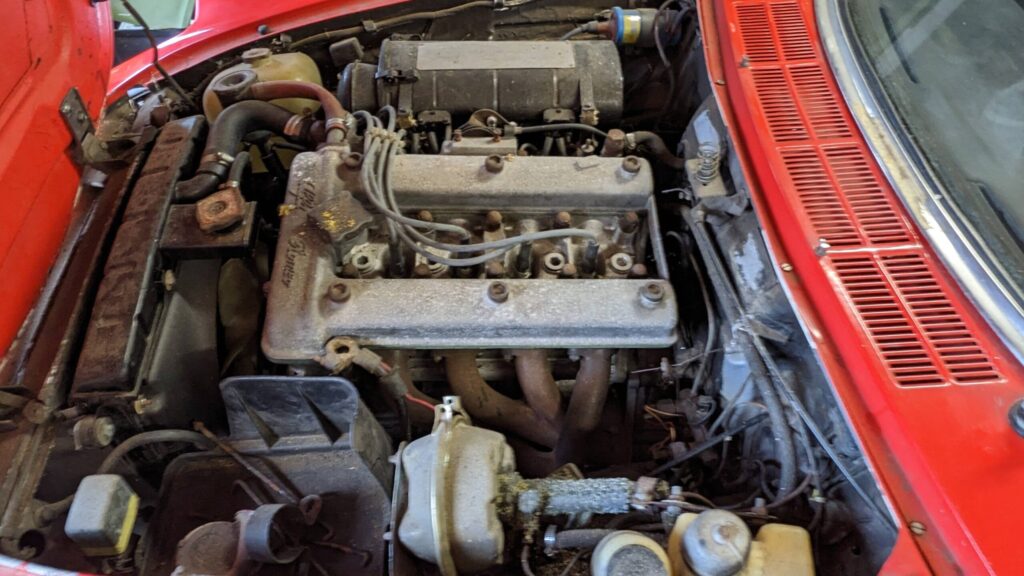

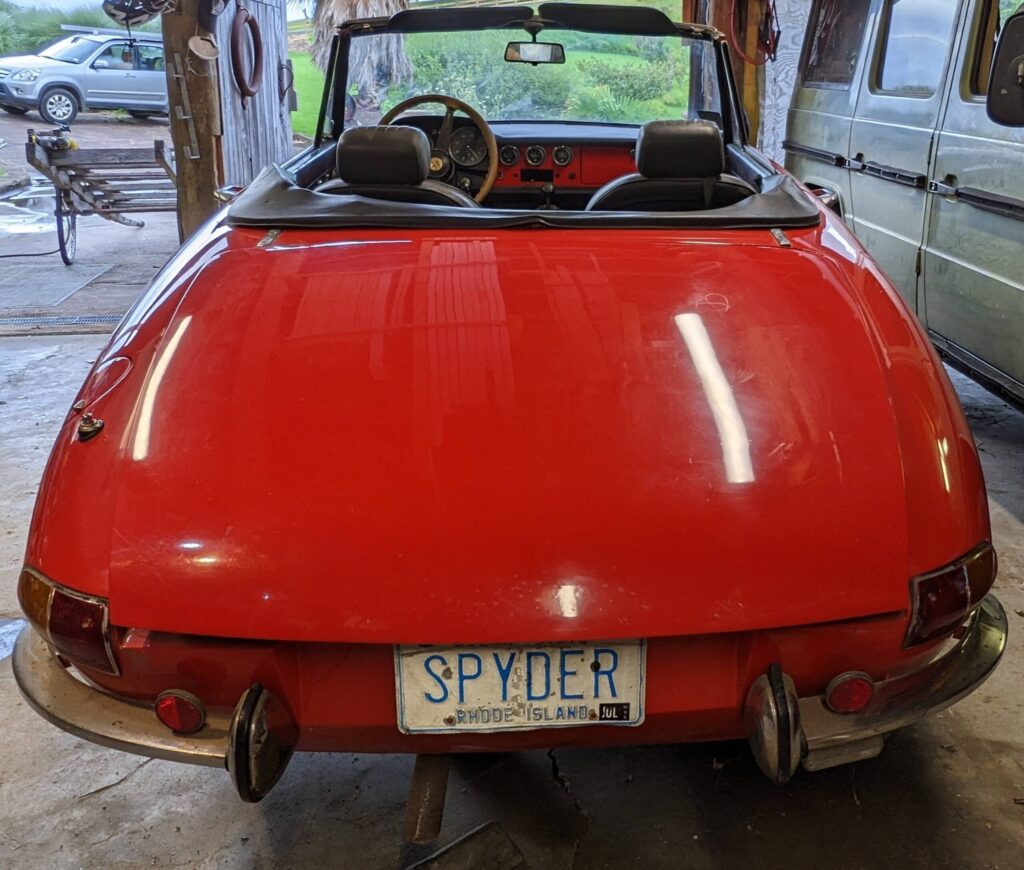
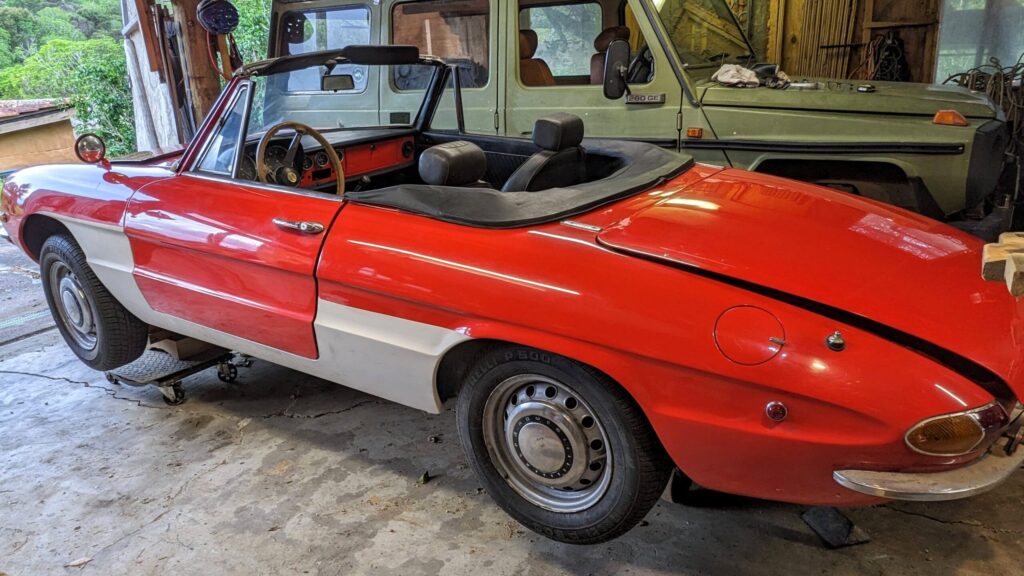
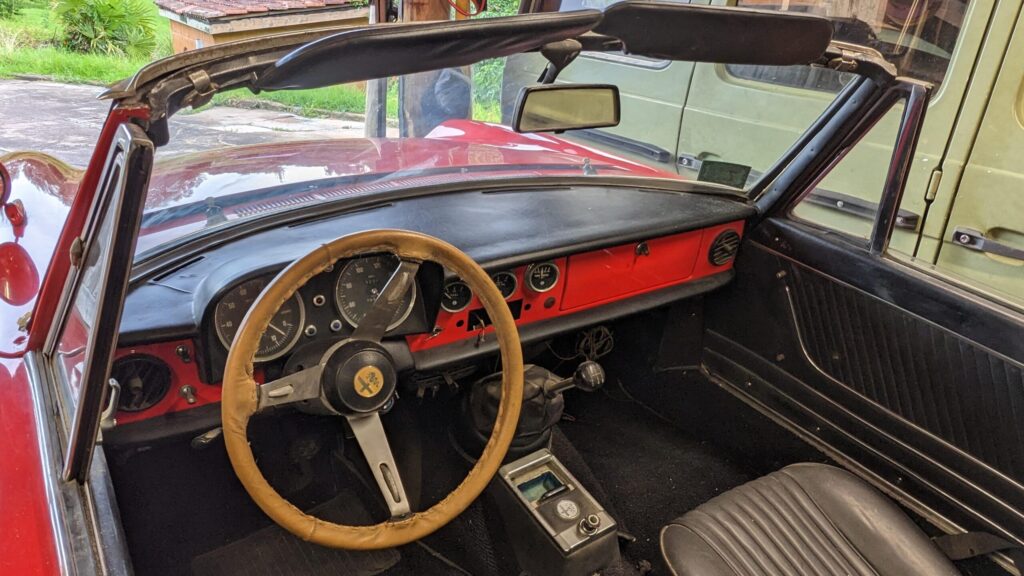
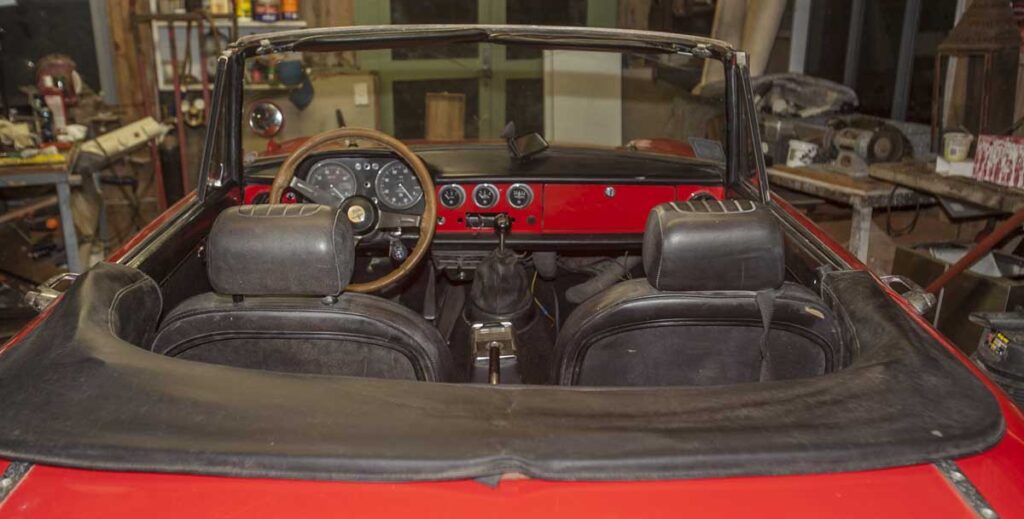
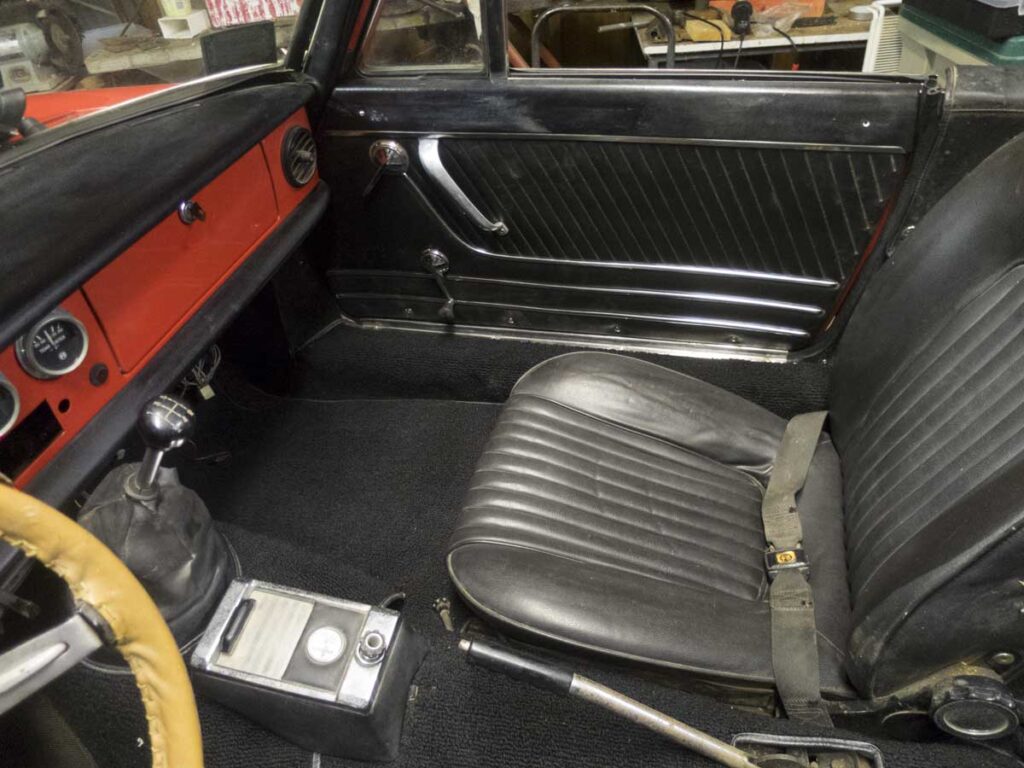
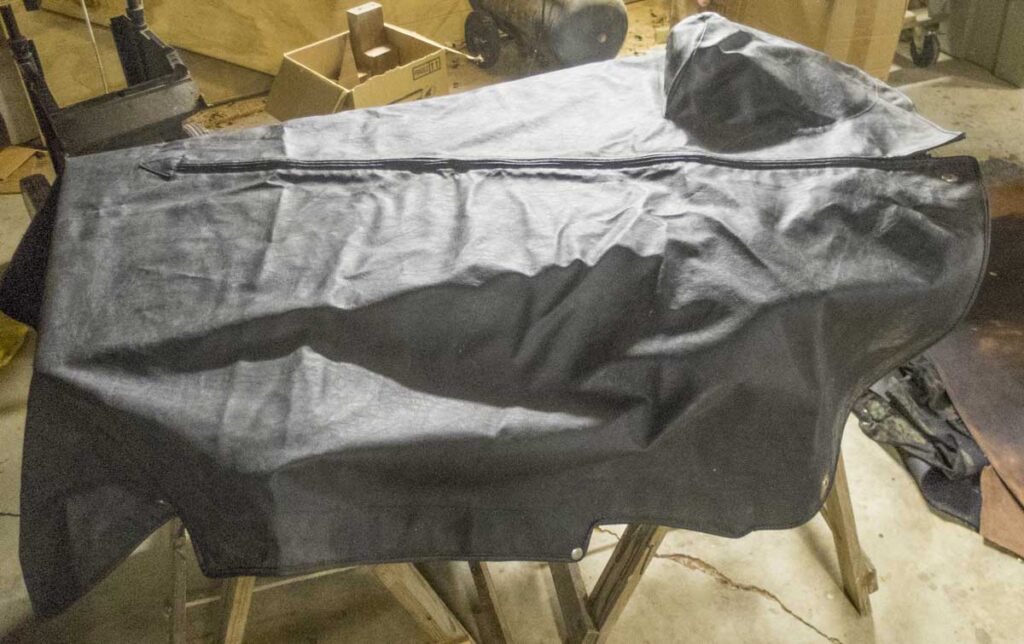
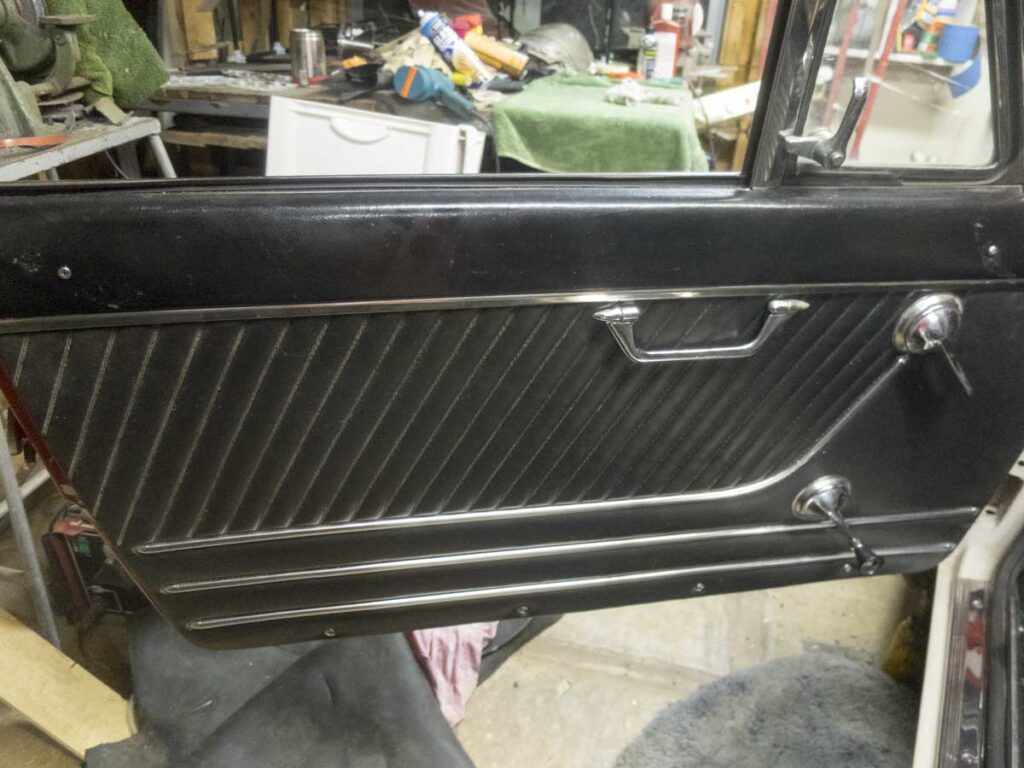
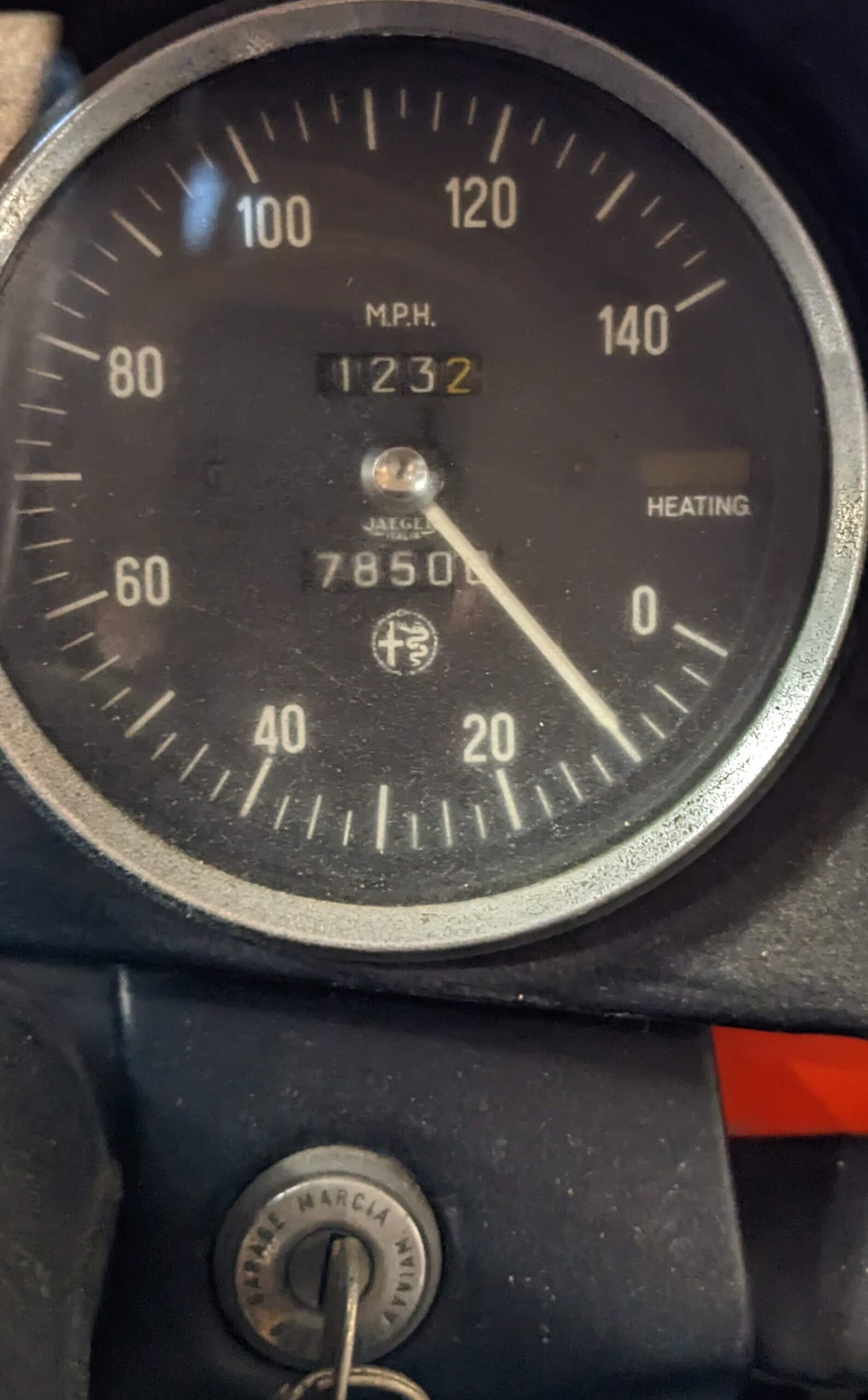
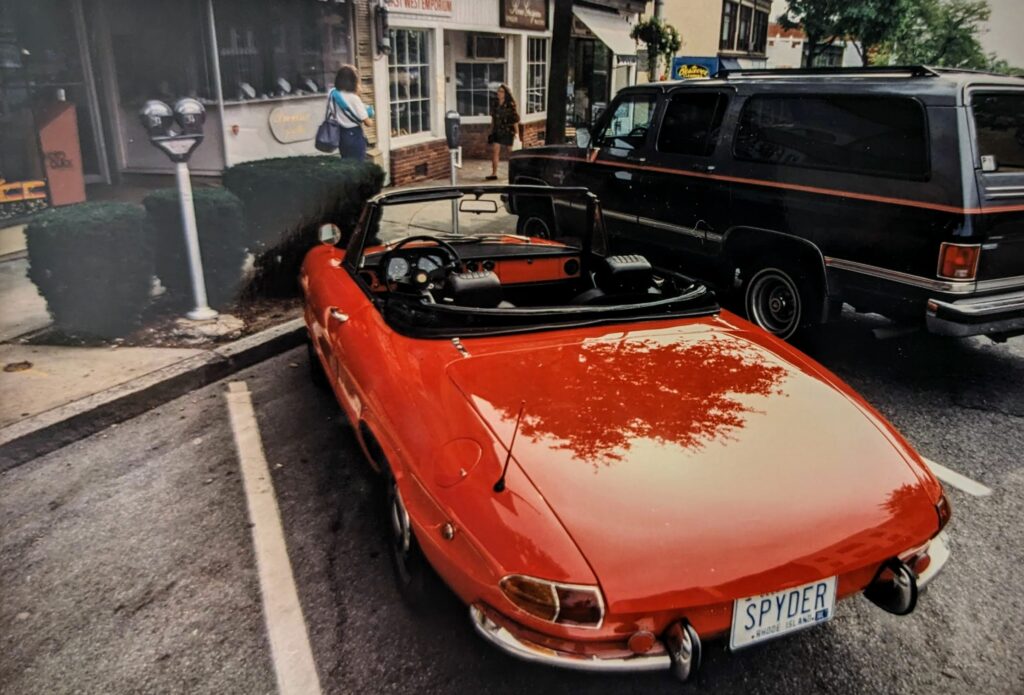 Documented 78,500 miles since new, five owners, lived a gentle life except for a rear-ender in 1980. Except for the 1/4 race cam supplied by Wes Ingram, it is completely original – no midlife mods.
Other than a few Lyme Rock club days, it has lived an unexciting life. The first owner was a renowned international photographer who used it as her stateside car when not travelling.
After she was rear-ended and spooked, it was rebuilt by Carl Bolivar, President of the New England Alfa Club for his wife Faye to be used in road rallys (held on public roads where the driver and navigator follow a set route to arrive at checkpoints at specific, scheduled times, rather than racing for speed).
The car was originally white, but when it was rear-ended, the shop decided using a rear clip from a red 69 Alfa was easier than panel beating. Faye selected a metallic lavender color (purple haze) which can still be seen in the engine bay. She sold it when Karl died.
The car went through two more short-term owners until I bought it to use as a summer car on our island in Rhode Island. It was kept in a carcoon all winter, and started on the first turn every May.
The paint was looking a bit worn and I had an excellent paint shop in Fall River, MA who did three of my Alfas as well as one of my Bristols. I also found the cold-start solinoid was a problem, so I sent the Spica off to Wes Ingram to be rebuilt. He proposed tuning it to a 1/4 race cam that he sent me.
All good until we moved to New Zealand. The shipping container was damaged enroute, the cars got wet, so I decided it was time for a full makeover. At the time, Alan Bowden of Classic Car Restorations had made a series of 105 floor pans following the correct Alfa pattern, so I had the floor, sills (rocker panels) and guards (fenders) replaced.