About Us
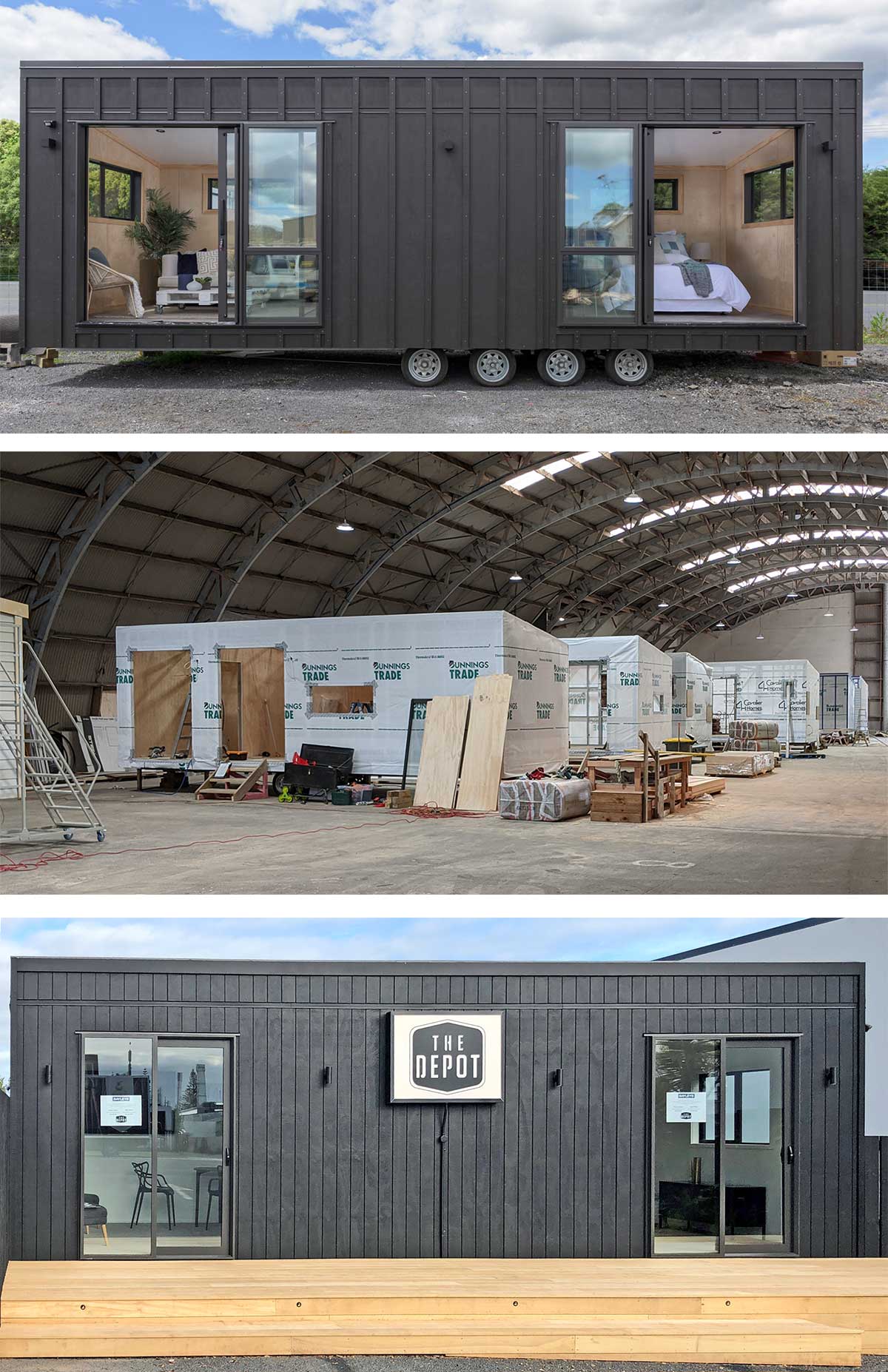
We began as Coastal Cabins, a maker of mobile homes with John Brown as the managing director. Claude Lewenz started working with John in an advisory capacity in 2017 because he saw the social and environmental benefit of immediate, unencumbered mobile homes. Micaela Lewenz, Claude’s daughter operates ACF.
- Coastal Cabins (CC) makes, owns, leases and manages the units
- Aligned Capital Fund financings the Lease to Acquire (LTA) units
- To ensure checks & balances, ACF is a separate company representing investors’ interests, not commingling CC’s interest
- The ACF fund is based on a standard amortisation schedule
- ACF borrows from the investor at 10% which ACF loans to CC
- Risk is spread over all units, all investors have equal shared risk
- CC repays the loan by aligning the client rent with the CC debt
- Each new investment is aligned to match the cost of a new unit
- WINZ typically pays the rent direct to CC including initial fees
- CC is registered with WINZ, knowing what WINZ pays
- The client also has an agreement with a landowner
- Typically family or friend with the unit as an accessory unit
- CC requires the land owner to cosign the lease agreement
- The landowner must affirm no council issues
- If there are issues, they must be resolved before contract